Konya has a strong manufacturing base, from agricultural machinery and automotive parts to food and plastics. But a good product alone is not enough to sell abroad. Exporting without the right market, the right documents and the right price can quickly turn into lost time and money. In this guide we explain, in plain terms, the steps we follow in export consulting in Konya.
1. Choosing the right target market
The first and most important export decision is which country to sell to. That means looking at demand for your product, competitors’ price levels, customs duties and the country’s technical regulations together. Often the market that suits your product best, with the lowest barriers to entry, delivers results faster than the biggest one.
- Demand and buying habits for your product
- Competing countries and price ranges
- Customs duties and free trade agreements
- Mandatory documents, labelling and standards
2. Getting the company ready to export
To export, your company needs to complete its foreign trade registration and join an exporters’ association. Correctly identifying the HS / GTİP codes of your products also matters at this stage, because duty rates, incentives and required documents largely depend on them.
3. Pricing and delivery terms
An export price is more than the production cost. Packaging, inland transport, customs, freight, insurance and financing all need to be included. Who carries these costs is defined by the Incoterms (such as EXW, FOB, CIF or DAP). Stating the delivery term clearly in every quotation prevents disputes later on.
4. Finding buyers and the export contract
Once the market is clear, buyers are reached through trade fairs, B2B platforms, trade missions and direct contact. The contract should clearly state the payment method (advance payment, cash against documents, letter of credit and so on), delivery time, quality criteria and how disputes will be handled.
5. Documents and shipment
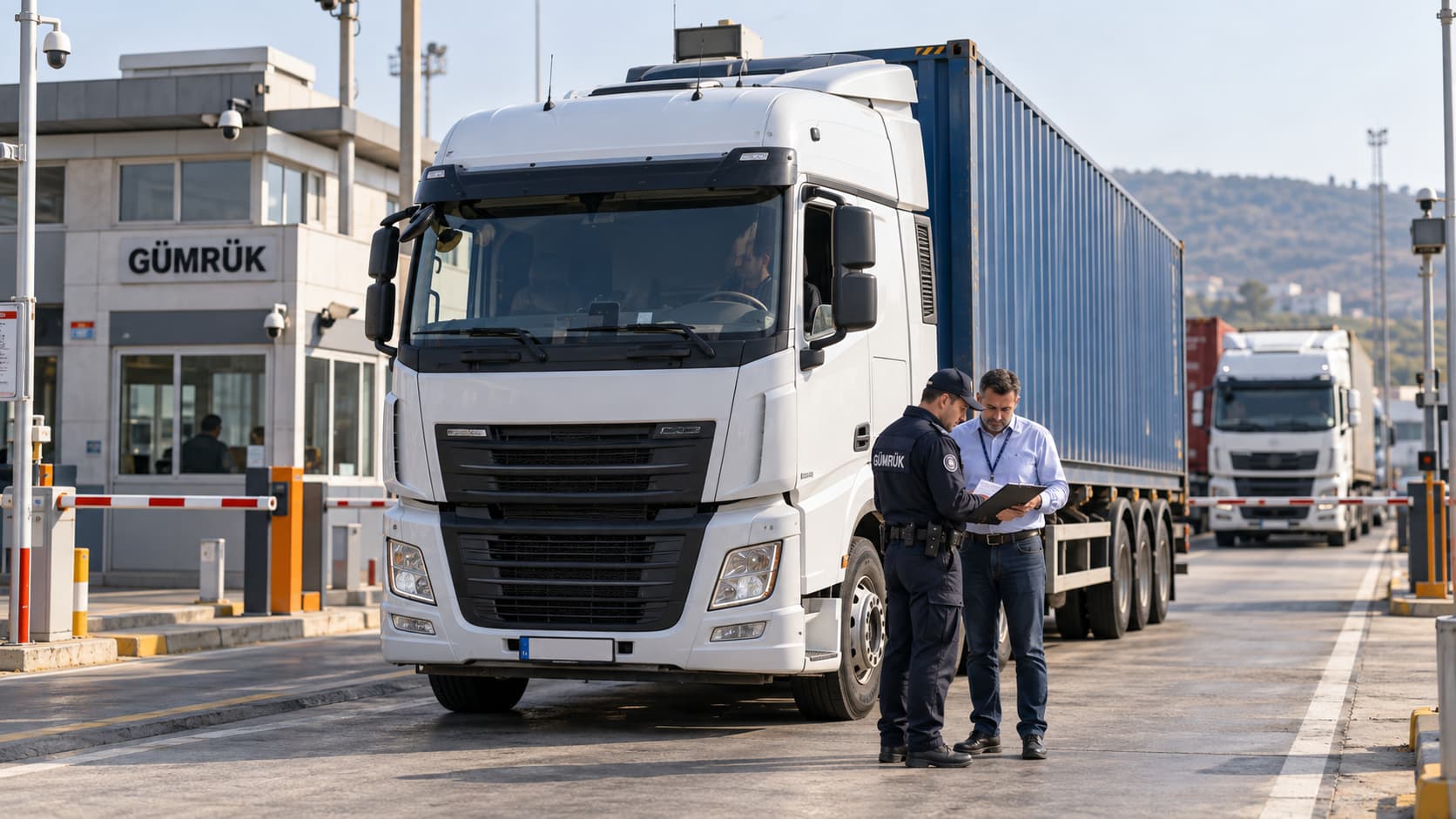
Core export documents include the commercial invoice, packing list, certificate of origin and transport document. Depending on the product and destination, health certificates, conformity documents or test reports may also be required. A single missing document can hold goods at customs and add cost.
Exporting with Tergoex
Through our export consulting service, Tergoex stays with you at every step, from market selection and contracts to documents and shipment. Whether it is your first export or you already export regularly, we build a roadmap around your needs. To find the right market for your product together, get in touch.