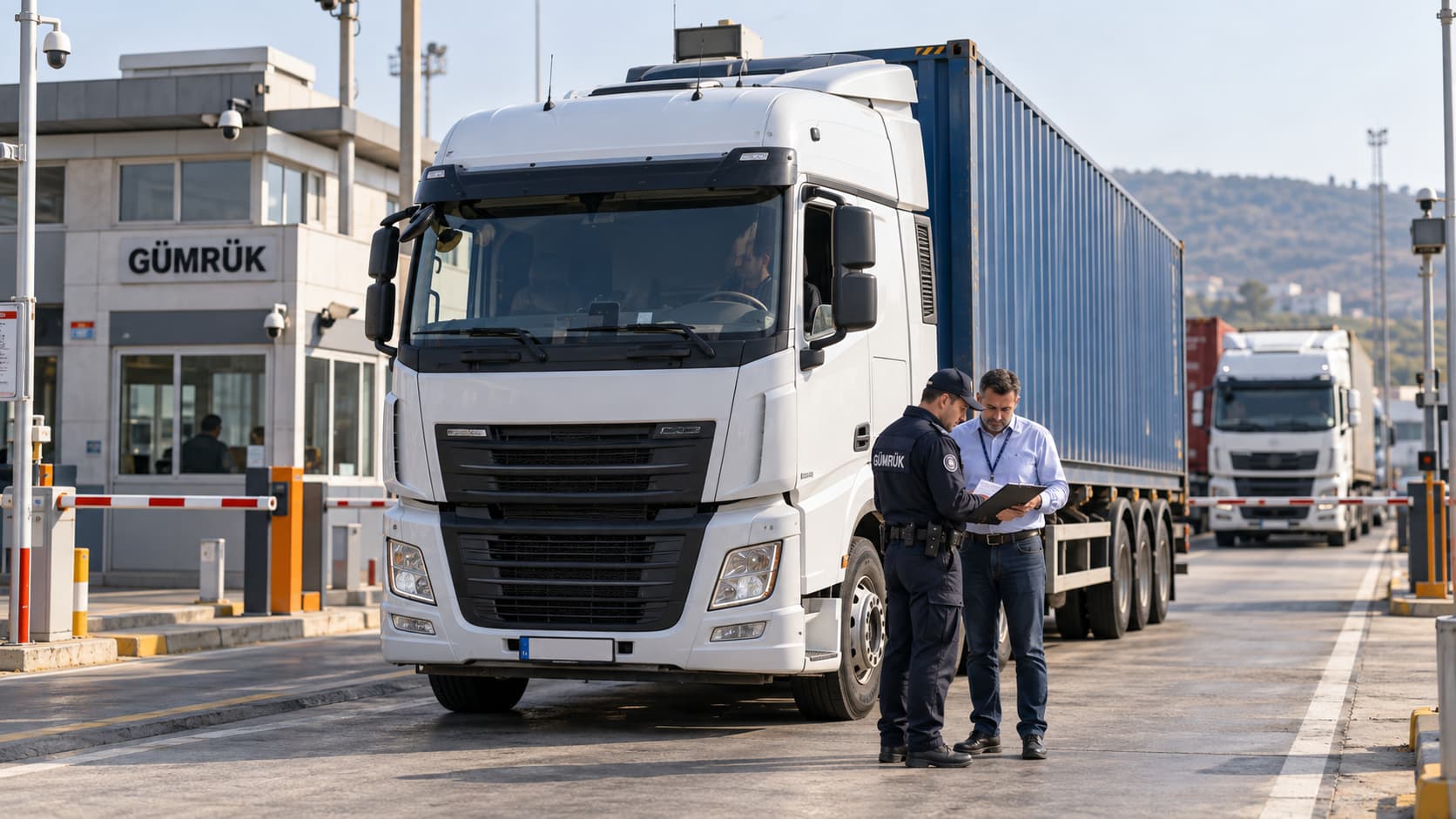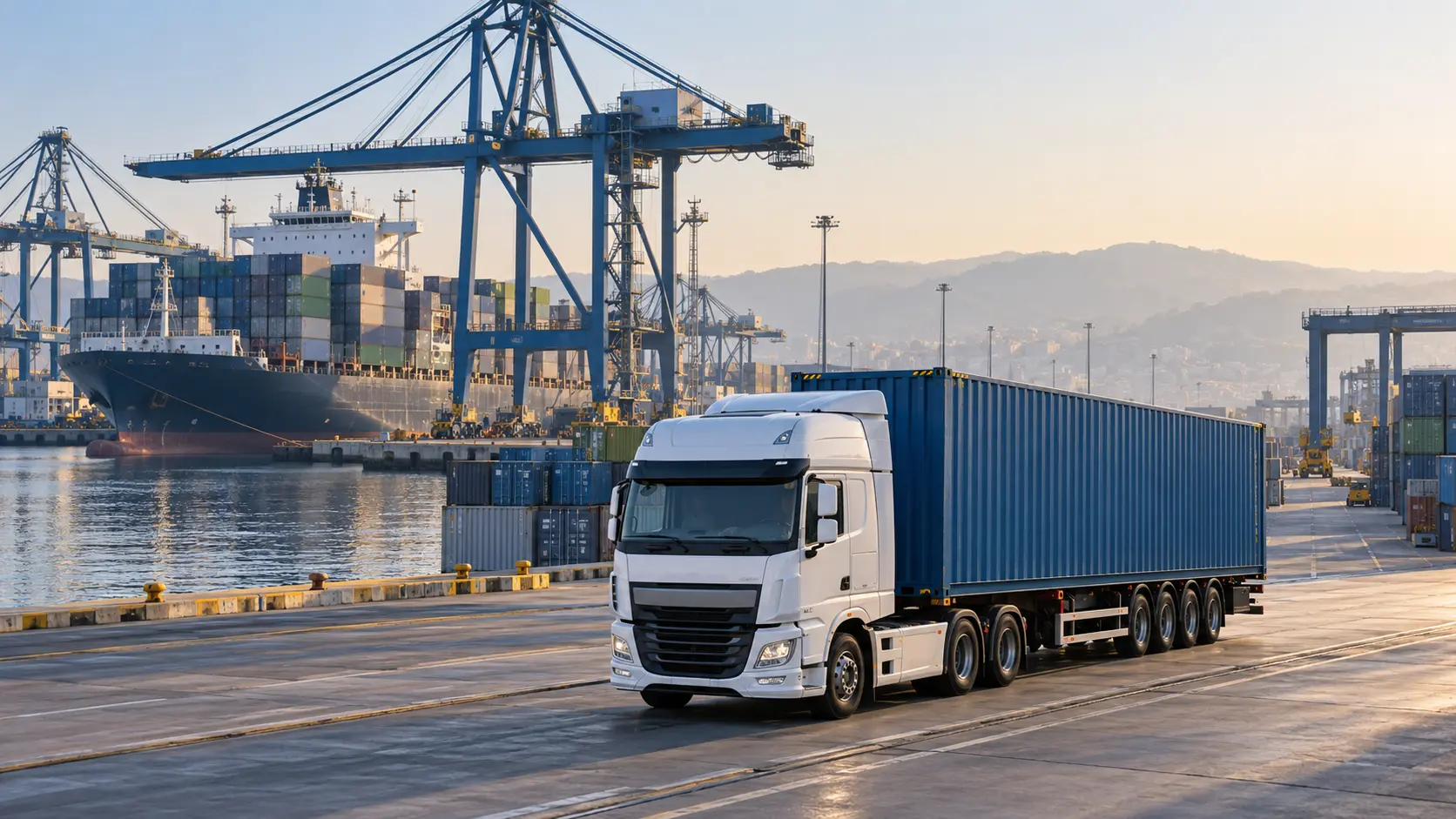
Bringing raw materials, machinery or goods from abroad involves many steps, from finding the right supplier to the product reaching your warehouse. A problem at any one of them can stop production or add unexpected cost. In this article we cover the key points of import and logistics in Konya.
Choosing and verifying the supplier
Safe importing starts with a reliable supplier. Before ordering, check whether the company is really a manufacturer or a trader, its references, production capacity and quality certificates. Approving a sample and putting the technical specification in writing greatly reduces quality problems on delivery.
Import permits and documents
Some product groups need prior permission, inspection certificates or conformity assessment before they can be imported. These requirements depend on the product’s HS code. Knowing which documents are needed before placing the order avoids surprises when the goods reach customs.
- Import licences and prior permits
- Conformity and quality control documents
- Certificates of origin and preferential trade documents
- Commercial invoice, packing list and transport documents
Delivery terms and responsibilities
The Incoterm decides who pays for freight and insurance and where the risk passes to the buyer. Under EXW, for example, the buyer handles all transport, while under CIF the seller covers freight and insurance. Choosing the right term clarifies both the cost and responsibility if anything goes wrong.
Choosing the transport mode
Sea freight is economical for large, non-urgent loads. Road freight gives flexibility across Europe and nearby regions. Air freight is fast but costly, suited to valuable or urgent shipments. Often the best solution combines more than one mode.
Importing with Tergoex
With our import and logistics service, Tergoex manages the process end to end, from supplier checks and permits to transport and delivery. You stay informed at every stage while your goods reach you safely, door to door. To discuss your import plan, get in touch.